When you invest in a high-end home, every detail matters. Architecture, interiors, materials and finishes are all carefully considered. Yet one of the most valuable parts of the property is often left until last, or treated as an afterthought. The landscape.
Landscape architecture is not about decorating the outdoors. It is about designing the land around your home as a long-term asset. For luxury homes in the Blue Mountains, where terrain, climate and bushfire requirements play a major role, a well-planned landscape can protect your investment, elevate daily living, and significantly enhance long-term property value.
This level of design is not right for every home. But for properties with architectural intent, complex sites, or a desire for refined outdoor living, landscape architecture delivers value that extends well beyond visual appeal.
Protecting Your Investment From the Ground Up
One of the most overlooked benefits of landscape architecture is risk management. Sloping land, drainage issues, poor soil structure and water movement can quietly undermine a property over time if they are not addressed early.
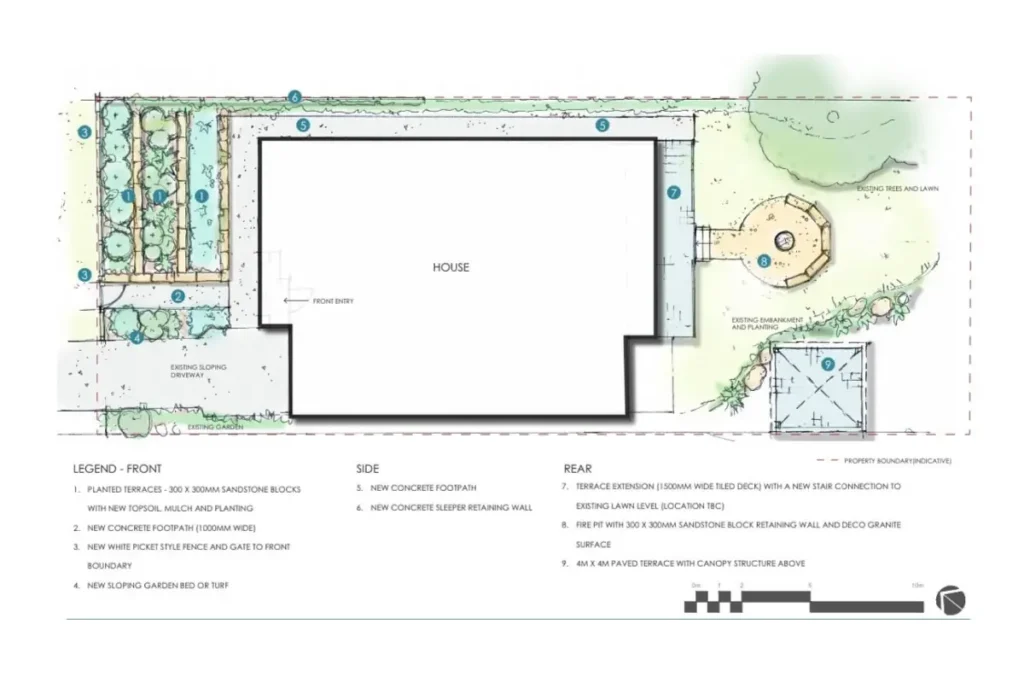
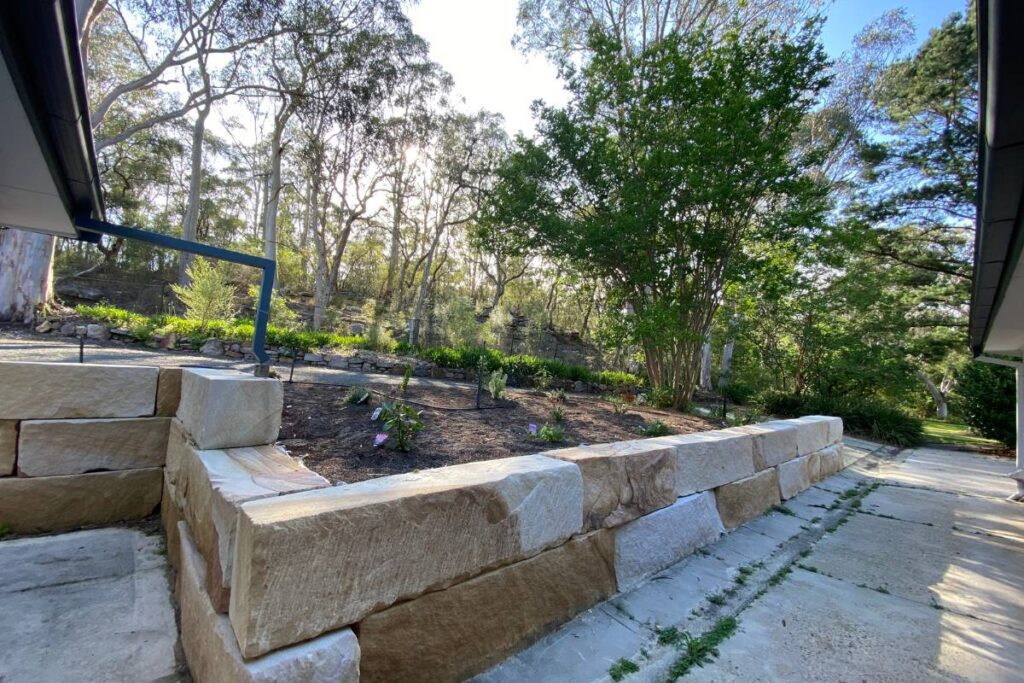
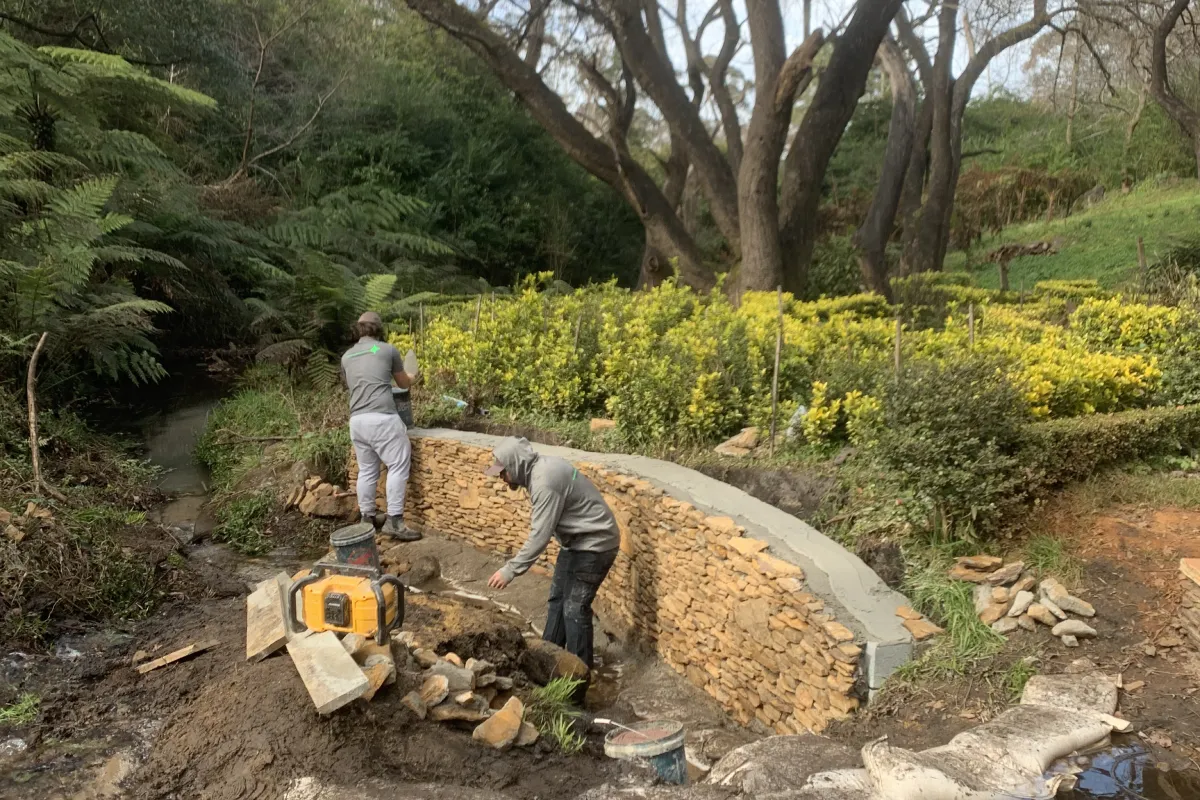
A landscape architect assesses how water moves through the site, how soil behaves across seasons, and how built elements interact with the land. Retaining solutions, grading, drainage and structural planting are planned together, not patched later.
This approach helps prevent erosion, water damage, subsidence and ongoing maintenance issues. The result is a landscape that supports the home structurally, not one that becomes a future problem.
A Complete Property Holds Its Value Better
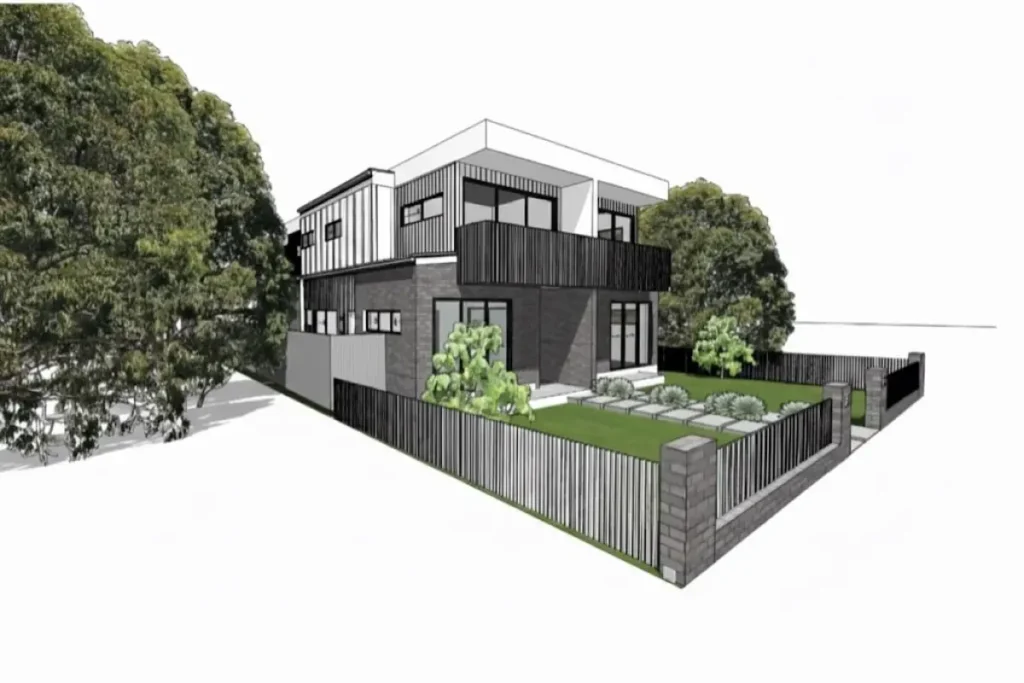
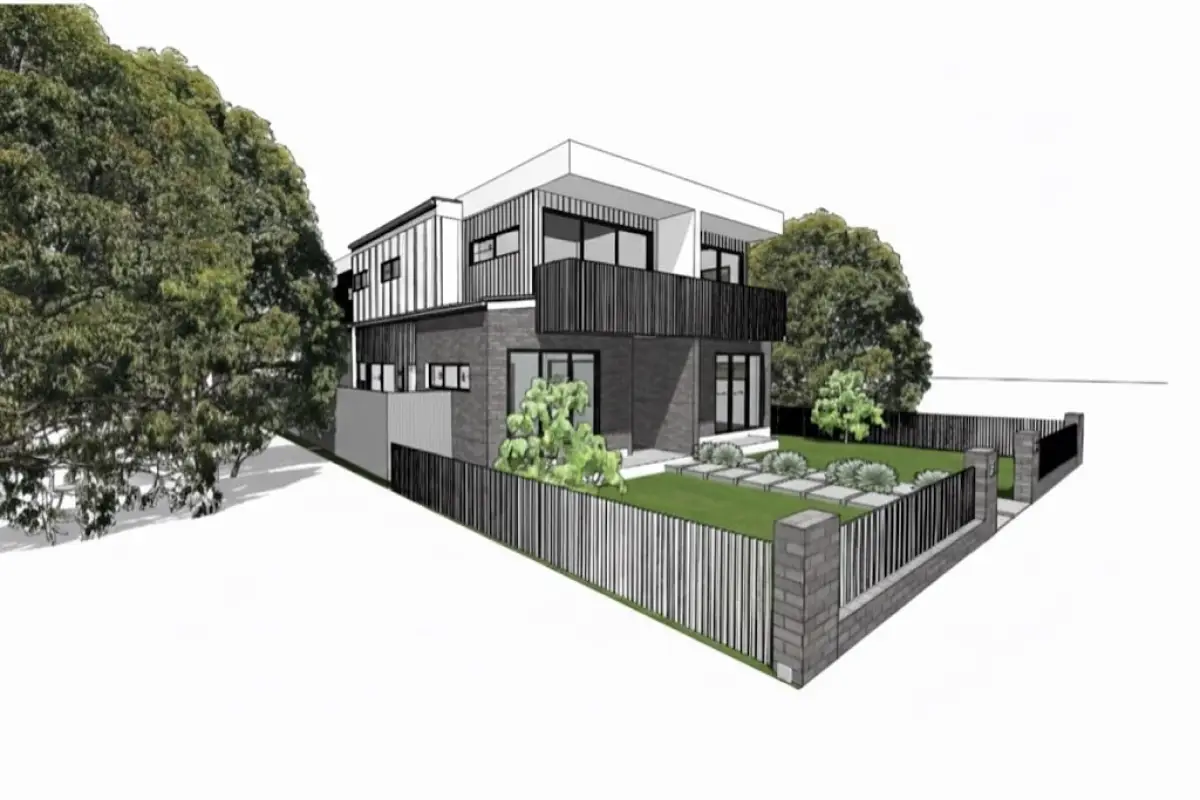
High-end homes feel resolved. The architecture, interiors and outdoor spaces work together as one cohesive environment. Landscape architecture ensures that the external spaces complete the home rather than competing with it.
Sightlines from key rooms are considered. Levels transition naturally between indoors and outdoors. Materials are selected to complement the home’s architectural language. Paths, steps, terraces and garden zones feel intentional rather than added on.
When a property feels complete from boundary to boundary, its value is reinforced. Buyers, valuers and occupants all recognise the difference between a home that has been finished properly and one that has simply been landscaped.
Unlocking the Full Potential of the Land
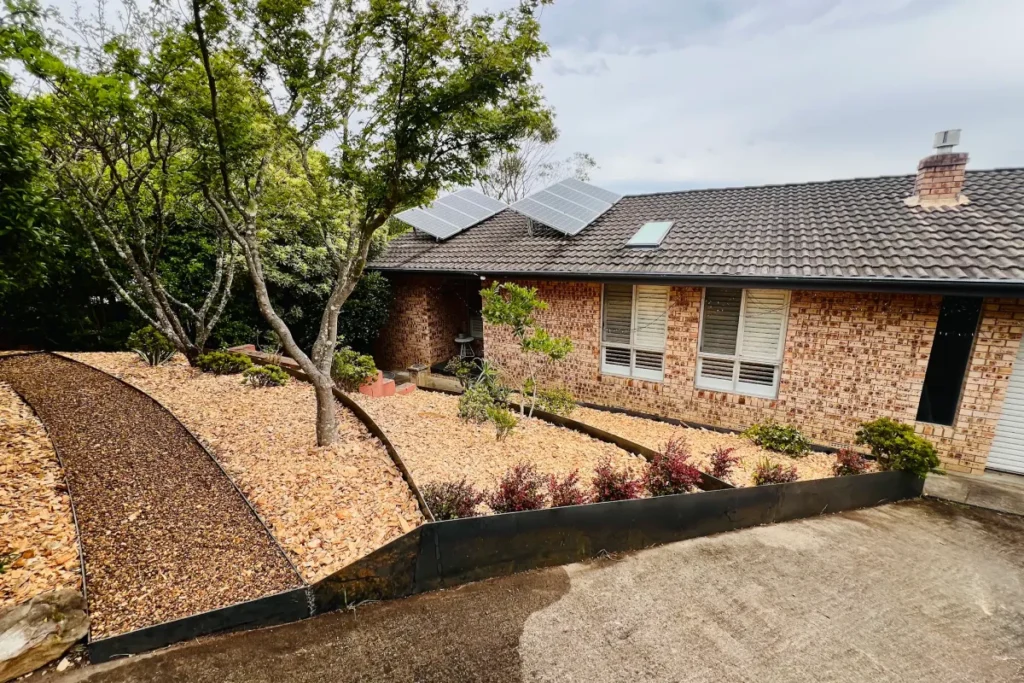
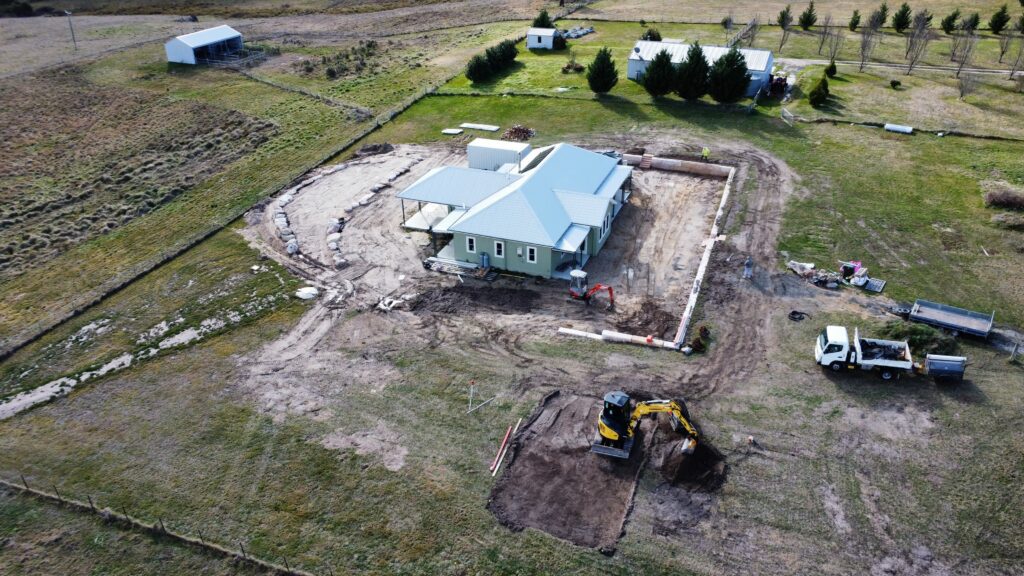
In the Blue Mountains, land is rarely flat or simple. Slopes, rock, elevation changes and access challenges are common. Without thoughtful planning, these features can limit how a property is used.
Landscape architecture turns complexity into opportunity.
Steep land becomes terraced gardens, outdoor rooms or usable lawn areas. Changes in level are resolved with elegant steps, seating and retaining elements. Previously unused areas become functional, private or visually striking spaces.
By increasing the usable and enjoyable parts of the property, landscape architecture adds real, functional value rather than cosmetic improvements.
Landscapes Designed to Mature, Not Date
Trends move quickly. Gardens designed around short-term fashion often require constant updates, replacements or redesigns. Landscape architecture takes a longer view.
Planting is structured, layered and selected for longevity. Materials are chosen for durability, climate suitability and how they will age over time. The landscape is designed to improve with maturity rather than decline.
For high-end homes, this means fewer major changes in the future, lower long-term maintenance costs, and a property that continues to look refined for decades rather than years.
Strong Market Appeal, Even If You Never Plan to Sell
Many homeowners engage landscape architecture for lifestyle reasons, not resale. Even so, the impact on market appeal is undeniable.
A refined landscape creates a strong first impression. Buyers immediately understand the quality of the home and the care that has gone into it. Outdoor spaces feel usable, private and connected to the home, which is increasingly important in high-end property markets.
Landscape architecture quietly signals quality, foresight and value without needing explanation.
Designed for How You Live, Now and Later
Luxury outdoor spaces are not just for entertaining. They support daily living, quiet retreat, family use and long-term flexibility.
Landscape architecture considers how spaces will be used across different stages of life. Entertaining areas, private gardens, practical service zones and circulation paths are all planned together. This avoids the need to redesign or rebuild as needs change.
A well-designed landscape adapts with the household rather than restricting it.
Landscape Architecture Versus Landscaping
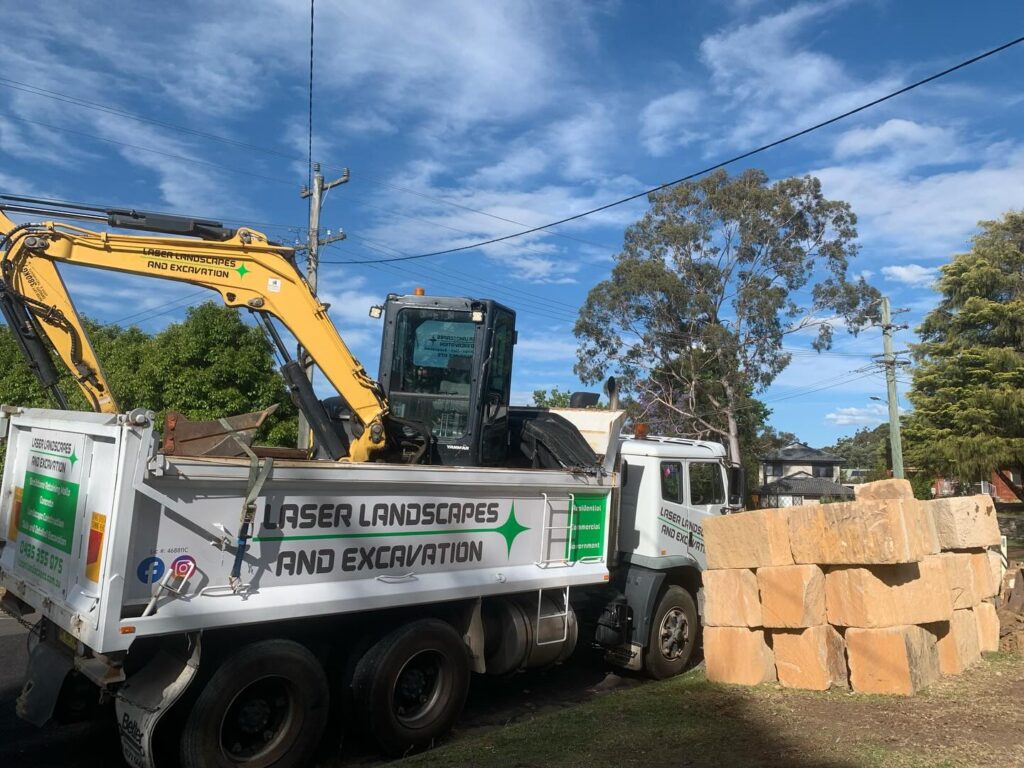
Landscaping focuses on construction and installation. Landscape architecture focuses on planning, integration and long-term outcomes.
Both are important, but they serve different purposes. Landscape architecture sets the framework that allows landscaping and construction to be carried out with clarity and confidence. It removes guesswork and ensures that every element contributes to the whole property.
For high-end homes, this distinction matters.
When Landscape Architecture Makes the Most Sense
Landscape architecture delivers the greatest value for homes that have complexity, scale or architectural intent. This includes properties with steep land, drainage challenges, bushfire constraints or expansive outdoor areas.
It also suits homeowners who see their landscape as a long-term investment rather than a short-term upgrade.
Long-Term Value Comes From Thoughtful Design
Landscape architecture adds value in ways that are both visible and invisible. It enhances beauty, functionality and lifestyle while quietly protecting the property from future issues.
For the right home, it becomes one of the most important decisions in the entire build or renovation process.
If you are considering a significant investment in your outdoor space, starting with a considered, site-specific landscape design ensures that every dollar is well spent and every element works together for years to come. Contact our team to start the process today.