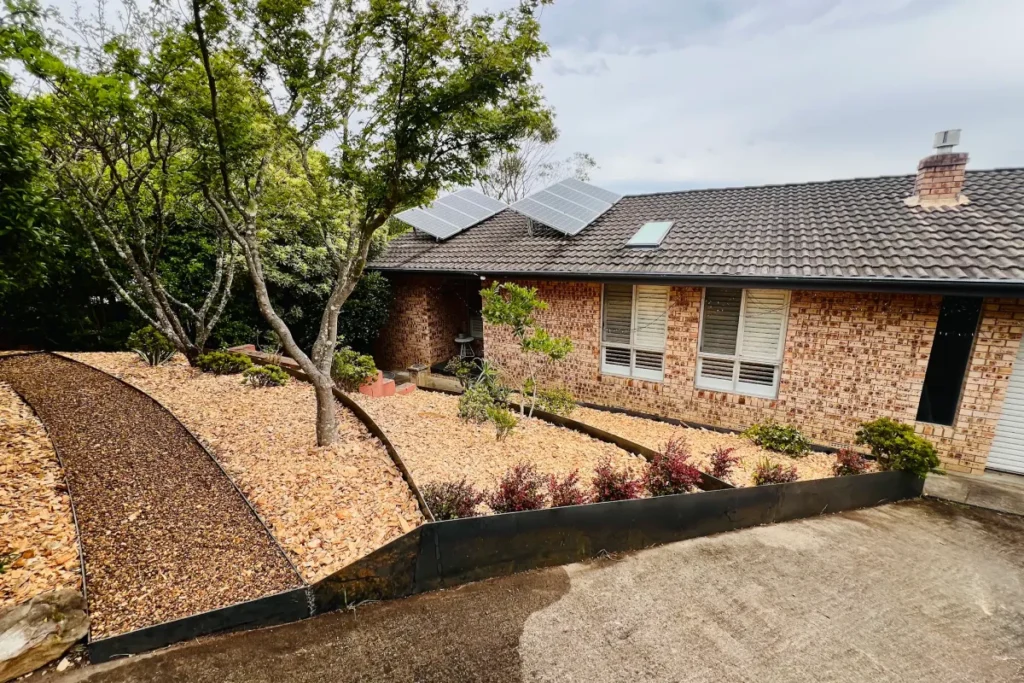
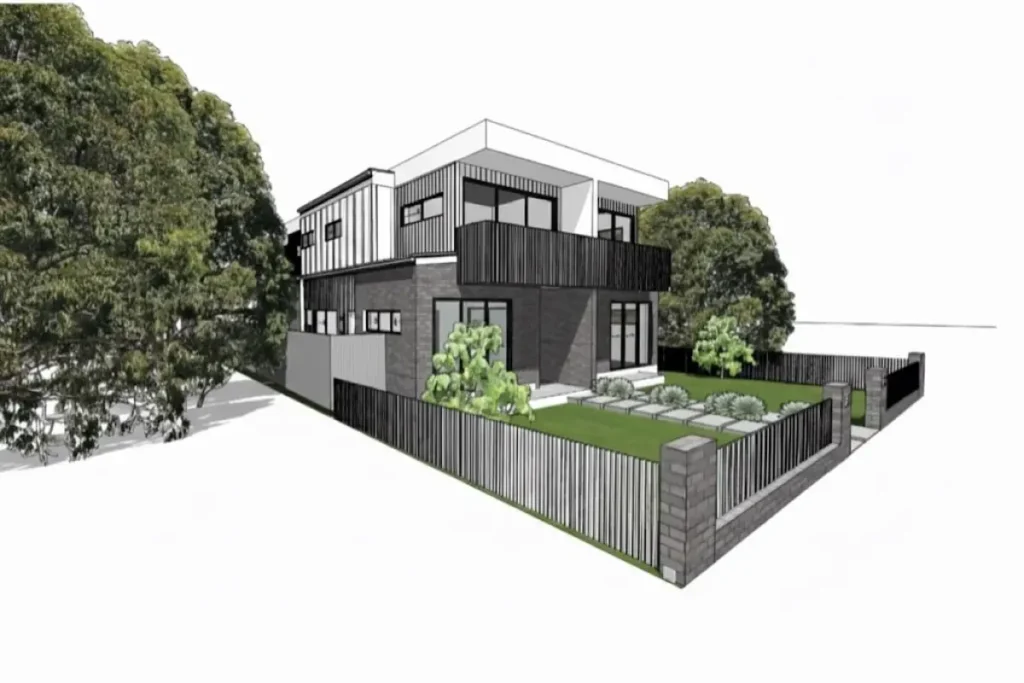
Planning a landscaping project in the Blue Mountains comes with a unique set of considerations. From steep blocks and rock to drainage and bushfire requirements, it’s rarely a straightforward job.
At Laser Landscapes and Excavation, we’ve worked across a wide range of residential projects, and these are the questions we’re asked most often. If you’re considering landscaping in the Blue Mountains, this guide will help you understand what to expect before getting started.
1. What Happens If You Hit Rock When Excavating?
Rock is extremely common across the Blue Mountains, and it’s not always visible until excavation begins. In many cases, digging can quickly shift from standard excavation to rock breaking.
This can affect both timeline and cost, as specialised equipment and additional labour may be required. Our experienced team will plan for this possibility and adjust the approach as needed to keep the project moving.
2. How Can I Make a Sloping Backyard Usable?
Sloping blocks are one of the biggest challenges, but also one of the biggest opportunities.
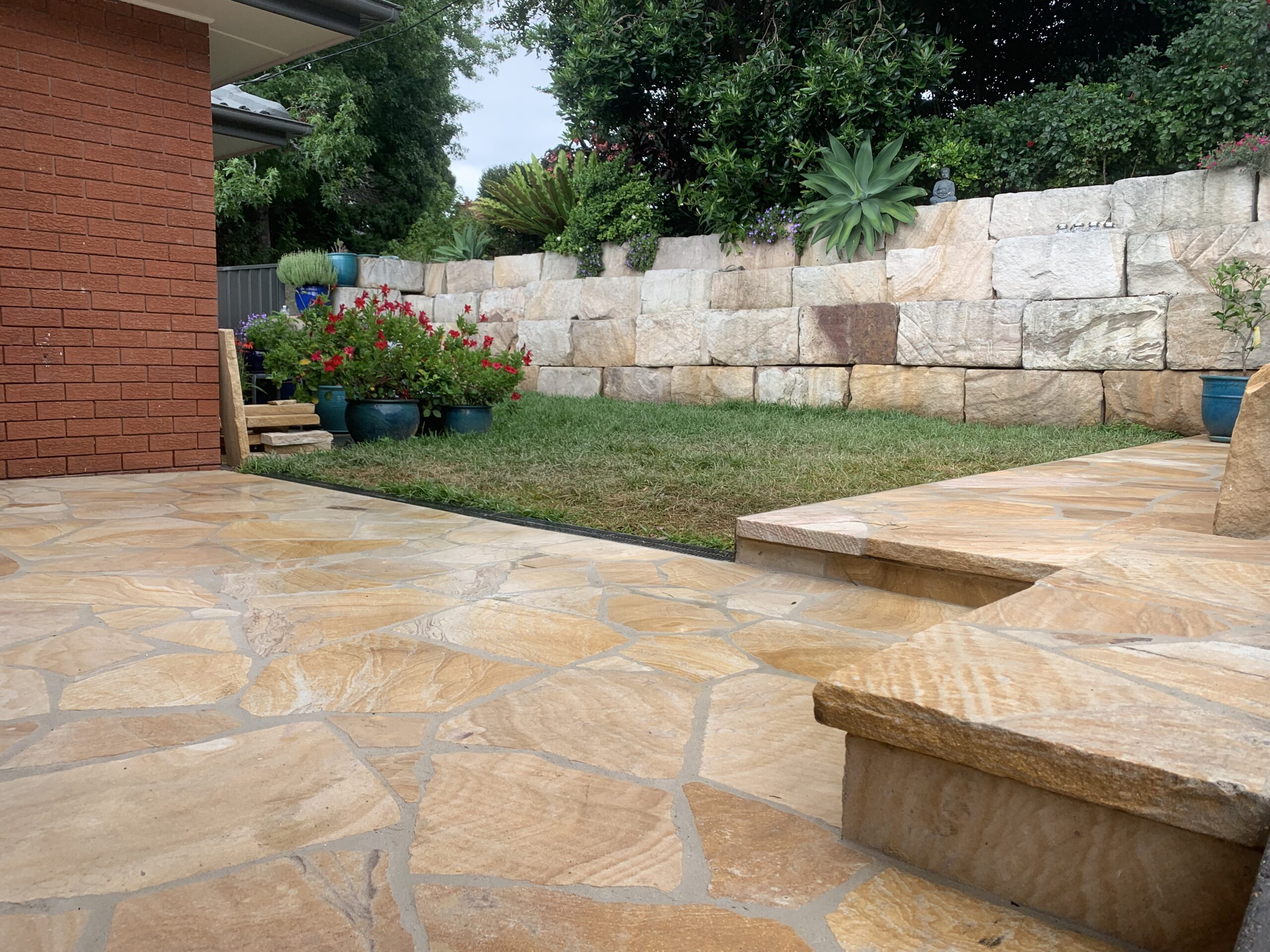
Through retaining walls, terracing, and well-designed steps, steep land can be transformed into functional outdoor spaces. This might include level lawn areas, entertaining zones, or tiered gardens.
A well-planned layout makes the space easier to use and improves how the property connects together.
3. How Do You Deal With Drainage on a Sloping Block?
Drainage is one of the most important parts of landscaping in the Blue Mountains.
Without proper planning, water can pool, erode soil, or put pressure on retaining walls. A structured approach includes subsoil drainage, correct grading, and managing how water moves through the property.
Good drainage design protects both the landscape and the home long term.
4. Do I Need Council Approval for Landscaping Work?
Some residential landscaping projects require approval, depending on the scope.
Retaining walls above certain heights, work near boundaries, and structural changes may need council approval or engineering input. Requirements can vary between councils, so it’s important to check early in the process.
Working with our experienced landscaping team helps ensure these considerations are addressed upfront.
5. What Materials Work Best in the Blue Mountains Climate?
Material choice plays a big role in how your landscape performs over time.
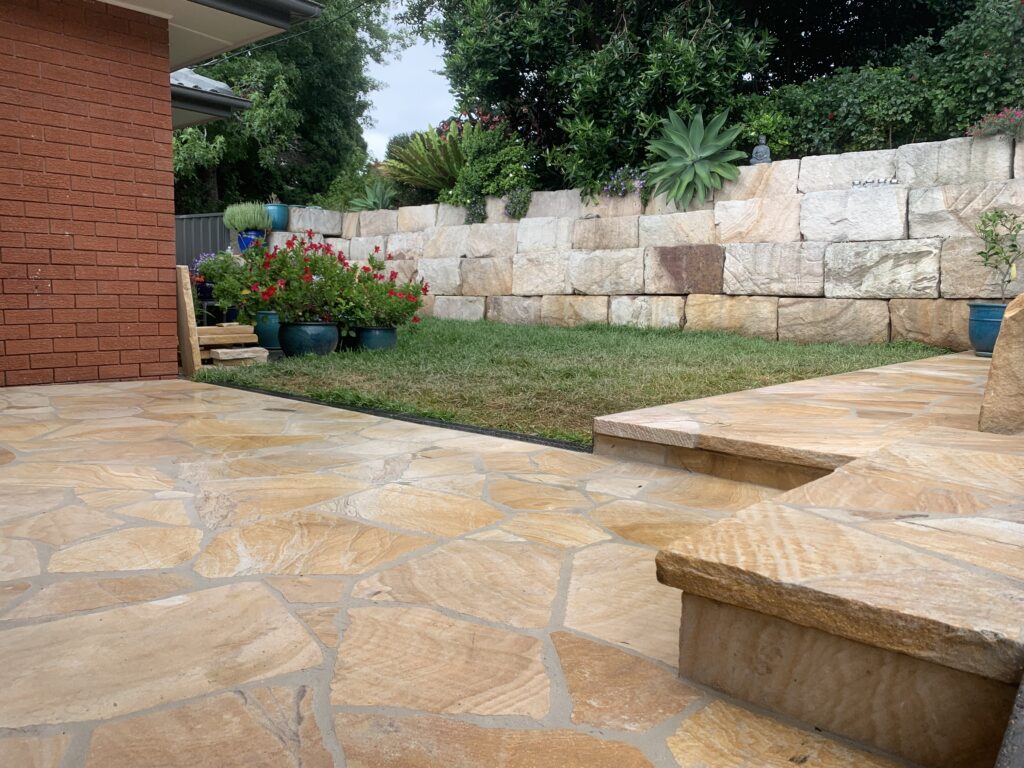
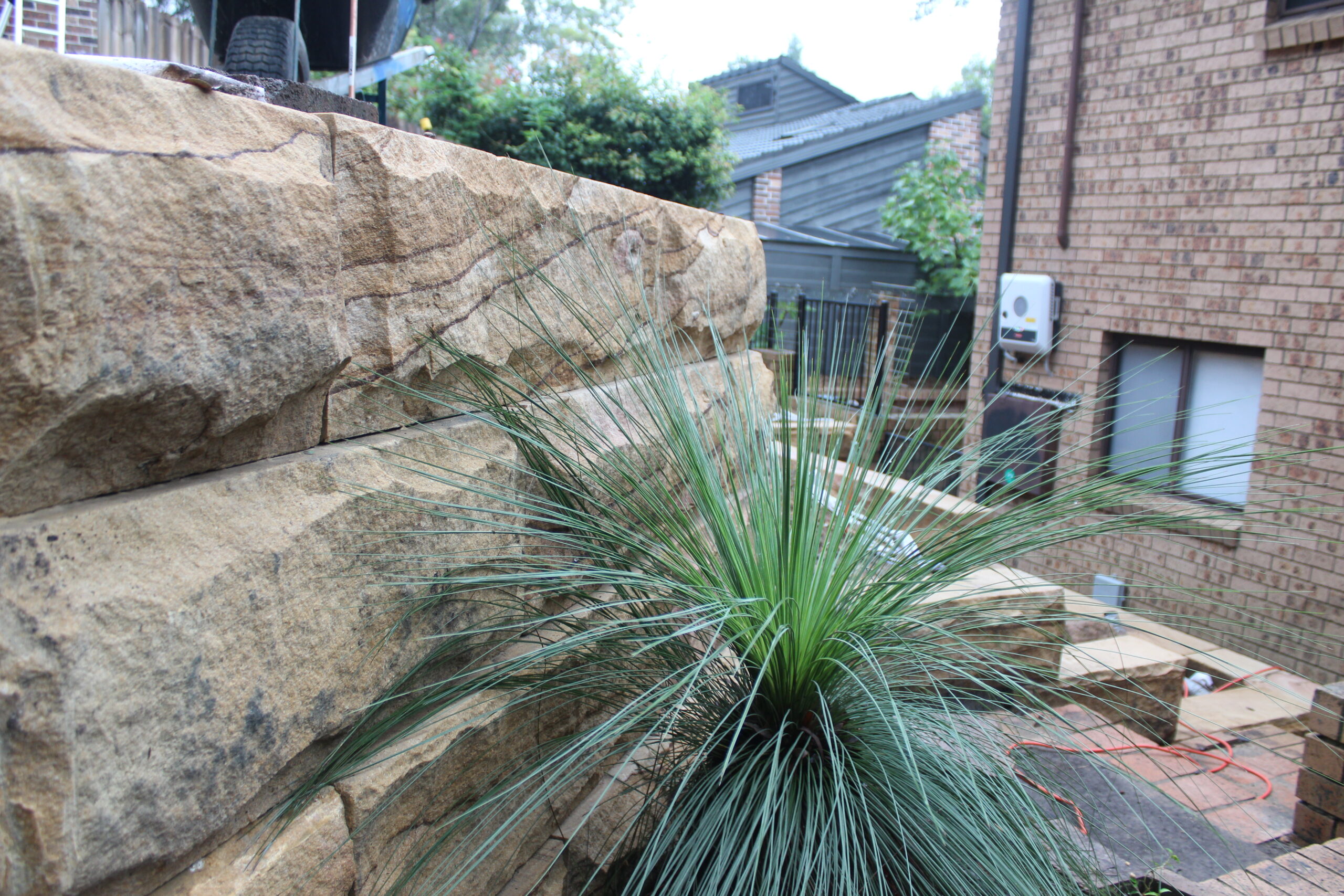
In the Blue Mountains, materials need to handle moisture, temperature changes, and natural movement in the ground. Options like sandstone retaining walls, concrete, and corten steel edging are often chosen for their durability and long-term performance.
The right materials will reduce maintenance and ensure the landscape continues to look good for years.
6. How Do You Design for Bushfire-Prone Areas?
Bushfire considerations are part of many Blue Mountains landscaping projects.
Design needs to take into account BAL ratings, plant selection, spacing, and the use of non-combustible materials. A well-designed landscape can improve safety while still looking refined and natural.
This is where landscape architecture becomes especially valuable, ensuring everything is planned correctly from the start.
7. How Long Does a Landscaping Project Take?
Project timelines vary depending on the size and complexity of the job.
Excavation, weather conditions, access, and material availability all play a role. A simple garden upgrade may take a few weeks, while larger projects involving retaining walls and full landscape construction can take significantly longer.
Clear communication and planning help set realistic expectations from the beginning.
8. How Much Does Landscaping Cost in the Blue Mountains?
There is no one-size-fits-all answer when it comes to landscaping costs.
Pricing depends on factors such as:
- Site access
- Slope and terrain
- Excavation requirements
- Material selection
- Overall project scope
Landscaping should be viewed as an investment in both lifestyle and property value, particularly when it involves structural work like retaining walls or full landscape architecture design.
9. Can You Work on Tight Access or Difficult Sites?
Yes, and it’s very common in the Blue Mountains.
Many properties have limited access, steep driveways, or restricted entry points. With the right machinery and experience, these sites can still be developed effectively.
Our team regularly works on challenging sites, which makes a significant difference to the outcome.
10. Should I Design First or Just Start Building?
Starting with a clear design is always the better approach, especially for larger projects.
Landscape architecture allows you to plan the entire property before construction begins. This includes levels, drainage, materials, planting, and how each space connects.
Without a plan, projects often become fragmented, leading to rework and missed opportunities. A considered design ensures everything works together from the start.
Planning Your Landscaping Project in the Blue Mountains
Landscaping in the Blue Mountains requires more than just good design. It demands an understanding of the land, the environment, and how each element performs over time.
From excavation and retaining walls to full landscape architecture, getting the foundations right makes all the difference.
If you’re planning a landscaping project and want clarity before you begin, the team at Laser Landscapes and Excavation can help guide the process and deliver a result that lasts.
Contact our team today for a free quote.